
Share This Article
Stay Connected Worldwide With The Best International eSIM Plans
International eSIM is a digital SIM card that allows you to connect to mobile networks in multiple countries without needing a physical SIM. It works by downloading a profile onto your device, which you can activate before or during travel. Users purchase a data plan from a provider, then install the eSIM to instantly access local networks abroad. This eliminates the hassle of swapping SIMs and often provides more affordable roaming rates.
What Is a Global Travel SIM and How It Works
A global travel SIM, in the context of an international eSIM, is a digital profile you download onto a compatible smartphone instead of using a physical plastic card. It works by connecting your device to a foreign mobile network through software, activating a local data plan before you even arrive at your destination. Essentially, the eSIM acts as a virtual SIM card that stores your travel plan’s configuration, allowing you to switch between your home carrier and the international provider by toggling the line in your phone settings. You purchase and install the eSIM online via a QR code or app, then enable data roaming upon landing, eliminating the need to swap physical SIMs at airport kiosks.
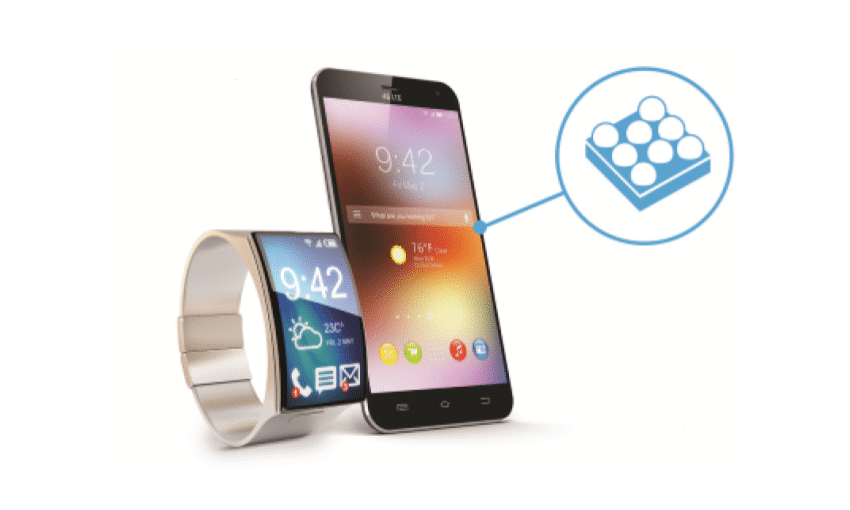
The shift from physical SIMs to embedded profiles
The transition from physical SIMs to embedded profiles eliminates the need to swap cards when traveling internationally. Instead of inserting a plastic chip, you download a carrier profile directly to your device via QR code or app. This process writes a new embedded digital identity onto the eSIM chip, allowing instant activation without physical procurement. The typical sequence is:
- Purchase a global travel eSIM plan online
- Scan a provided activation QR code
- Install the embedded profile onto your device’s eSIM slot
- Toggle the profile on at your destination for immediate local network access
This shift enables multiple profiles to reside on one chip, so you retain your home line while adding a travel data plan digitally—no fumbling with tiny trays or risk of losing your original SIM.

How over-the-air activation eliminates roaming hurdles
Over-the-air activation eliminates roaming hurdles by letting you connect to a local network the instant you land, without hunting for a physical SIM or queuing at a foreign kiosk. Before you depart, you simply scan a QR code or install an eSIM profile, which preloads local data bundles. Upon arrival, your phone automatically syncs with a partner network in that country, bypassing expensive home-network roaming agreements and complex manual APN settings. There are no contracts, no swapping tiny cards in an airport lounge, and no surprise daily fees—just seamless, localized connectivity from the moment you switch off airplane mode.
Over-the-air activation removes roaming obstacles by enabling instant, prepaid local network access without physical SIMs or complex manual configuration.
Key differences between prepaid travel eSIMs and carrier plans
Prepaid travel eSIMs offer fixed-cost data bundles for defined periods, whereas carrier plans typically rely on monthly billing cycles and contract commitments. The key difference in pricing structure lies in zero roaming fees with travel eSIMs, compared to carrier add-ons that still incur daily or usage-based charges abroad. Travel eSIMs require no domestic number or service suspension, while carrier roaming often ties back to your home network, creating dependency. Activation differs: travel eSIMs are installed instantly via QR code; carrier plans may demand a store visit or account change. Finally, travel eSIMs enable multi-network switching per destination, whereas carrier plans limit you to their partner networks.
Travel eSIMs provide prepaid, contract-free data with no roaming fees and instant activation, while carrier plans involve monthly billing, roaming surcharges, and home-network dependency.
Top Reasons Travelers Are Ditching Traditional Roaming
Travelers are abandoning traditional roaming primarily due to international eSIM’s instant connectivity. You avoid the shock of daily roaming fees by purchasing a local data plan before you even land. The process is entirely digital—no physical SIM card swapping means you keep your home number active for calls or verification texts. A key advantage is the ability to install and switch between multiple eSIM profiles on a single device, allowing you to choose the cheapest carrier for each destination on the fly. This eliminates the hassle of finding a local store or dealing with unpredictable throttling, offering a transparent, pay-as-you-go data experience that traditional roaming simply cannot match.
Cost savings across multiple countries without hidden fees
Traditional roaming hits you with surprise fees per country. With an eSIM, you buy one plan covering multiple nations, eliminating separate charges for crossing borders. You get multi-country eSIM savings because the price is fixed upfront—no daily pass, no per-MB shock. For example:
- Activate a regional plan once
- Use data seamlessly from France to Germany
- Pay zero in hidden cross-border fees
Your phone just works, and your wallet stays predictable.
Instant connectivity upon landing with no physical swap
Forget fumbling with tiny SIM trays or hunting for local storefronts the moment you step off the plane. With an international eSIM, instant connectivity upon landing is automatic. Your phone seamlessly latches onto a local network the second it exits airplane mode, using a digital profile you installed before departure. This eliminates the dreaded dead zone between touchdown and finding a Wi-Fi password. The experience is fluid: you simply travel, and your service is waiting.
- Activate your data plan weeks in advance; it triggers automatically when you arrive.
- No need to carry or safely store your original physical SIM card during the trip.
- Switching between countries requires zero hardware changes; just select a new eSIM profile.
Flexibility to switch carriers or data plans mid-trip
With an international eSIM, the flexibility to switch carriers or data plans mid-trip is instant and effortless. Unlike physical SIMs that require a store visit or a new card, you can compare and change providers directly from your phone settings. Real-time plan switching lets you upgrade for a video call or downgrade for a quiet day without penalty. The process follows a clear sequence:
- Disable your current eSIM line
- Select and install a new plan from your eSIM app
- Enable the new line and connect within seconds
This freedom means you are never locked into poor service, and you can chase the best speed or price as your journey shifts, eliminating the frustration of being stuck with a single network.
Choosing the Right eSIM Provider for Your Journey
When packing for a trip to Southeast Asia last year, I learned the hard way that choosing the right eSIM provider for your journey is about more than just price. I opted for a budget international eSIM with cheap data, but discovered upon landing in Vietnam that its app lacked a simple top-up feature—leaving me without maps mid-trek. The best providers offer a real-time dashboard and one-click top-ups, crucial when your connection drops in a foreign city.
A provider that forces you to reinstall an eSIM profile for every new country isn’t a travel companion—it’s a trap.
Prioritize one that lets you preload multiple regional profiles on a single international eSIM, so you’re never scrambling at the airport again.
Comparing coverage maps for regional vs. global bundles
When comparing coverage maps for regional versus global bundles, scrutinize partner network density rather than just listed countries. Global bundles often display vast territory but rely on a single roaming partner per country, which can mean slower speeds in rural zones. Regional bundles, by contrast, typically aggregate multiple local carriers within their defined area, offering denser coverage in less urbanized pockets. A global map might show coverage in Japan, but a regional Asia bundle often includes specific local providers like SoftBank or NTT Docomo. To analyze effectively:
- Open each provider’s interactive map and zoom to your stopover cities.
- Toggle between regional and global plans to see real-time partner icons.
- Check carrier logos listed for each country—more variety usually equals better fallback reception.
Data speeds, network prioritization, and throttling policies
For an international eSIM, data speed consistency directly depends on network prioritization. Most travel eSIMs use local networks but receive a lower priority than native subscribers, meaning your connection slows if the tower is congested. Throttling policies are often hidden in fine print; a plan advertising “unlimited data” may drop to 2G or 128 kbps after a soft cap (e.g., 1GB per day). Always check the post-cap speed, as throttled streaming becomes unusable.
Q: How can I avoid throttling when streaming video on a travel eSIM?
Look for providers that specify hard data caps with a clear “full-speed” limit, and avoid “unlimited” plans that do not disclose post-throttle speeds. Prioritize networks with LTE/5G roaming agreements that guarantee non-deprioritized access.
User reviews on app ease and customer support responsiveness
When choosing an international eSIM provider, user reviews consistently highlight app ease and customer support responsiveness as critical factors. Travelers frequently praise providers with intuitive apps that allow immediate plan activation and straightforward data monitoring. Conversely, negative reviews often cite confusing interfaces or slow troubleshooting during connectivity issues. Responsive, 24/7 live chat support receives high marks, especially for resolving activation failures abroad. Users value providers that solve problems within minutes rather than hours, as delays can disrupt itineraries. Look for consistent feedback about quick, clear assistance, as anecdotal reports of unanswered emails or vague bot replies signal poor service. These practical insights from past users directly indicate real-world reliability.
How to Set Up an eSIM Before Departure
To set up an international eSIM before departure, first confirm your phone is unlocked and eSIM-compatible, then purchase a plan from a provider like Airalo or Holafly. Install the eSIM by scanning the QR code sent via email or entering the activation code manually in your device’s cellular settings. Label the eSIM clearly (e.g., “Japan Data”) to avoid confusion. Activate the eSIM only upon arrival at your destination to start the plan timer. Test your connection in the airport by toggling data roaming on. A common query is: How do I avoid double billing? Disable your primary home SIM’s roaming before departure under cellular settings, ensuring only the international eSIM handles data.
Checking device compatibility with eSIM technology
Before purchasing any international eSIM, you must verify that your smartphone is both unlocked and eSIM-compatible. Check your phone’s settings: on iOS, go to Settings > Cellular > Add Cellular Plan; on Android, navigate to Settings > Connections > SIM Card Manager. If you don’t see an option to add an eSIM, your device likely lacks the hardware. Check device IMEI against the manufacturer’s eSIM white list to be certain. Is my phone eSIM-ready if it shows “SIM card” options? Not always—older models often lack the necessary chip, even if software menus appear. Carrier-locked phones may block foreign eSIM profiles entirely, so test with a free trial plan before departure.
Scanning QR codes or installing through provider apps
After purchasing an international eSIM, you typically activate it by scanning a QR code sent via email or by installing a profile directly through the provider’s app. For QR code activation, ensure your device is connected to Wi-Fi, then navigate to your mobile network settings, select “Add eSIM,” and scan the code. Many providers now streamline this with provider app installation, where the eSIM downloads automatically after login, eliminating manual QR entry. Activation usually triggers upon connecting to a local network at your destination.
Does scanning a QR code require internet at the moment of setup? Yes, a stable Wi-Fi connection is needed to download the eSIM profile or scan the code successfully.
Managing multiple eSIM profiles on a single smartphone
When managing multiple eSIM profiles on a single smartphone for travel, label each profile clearly (e.g., “Home US” vs. “Spain Data”) in the device’s cellular settings to avoid confusion. Activate only the intended international eSIM for a destination while disabling the primary line to prevent accidental roaming charges. Most phones allow you to set one profile for data and another for voice, but ensure your default line for iMessage and WhatsApp matches active usage. Toggle profiles seamlessly by swapping the active data line in the settings menu, requiring no physical card removal. Q: Can I keep my primary eSIM active for calls while using an international eSIM for data? A: Yes, assign your home eSIM for voice and SMS, and the international eSIM solely for data; verify that your carrier supports dual eSIM standby during roaming.
Best Practices for Using eSIM Across Borders
For seamless cross-border connectivity with your international eSIM, always verify coverage maps for your specific destinations before departure, as network partners can vary widely by region. Purchase and install your eSIM prior to travel, ensuring you have a stable Wi-Fi connection to download the profile and avoid activation hiccups at immigration. While convenient, keep your primary physical SIM deactivated or set to data roaming off to prevent inadvertent billing from your home carrier when crossing borders. Prioritize eSIM providers that offer top-up options directly within their app, so you can instantly add data without needing local currency or finding a store. Finally, label your eSIM profiles clearly in your device settings to avoid confusion between multiple travel plans, and test your connection immediately upon landing by sending a quick message or opening a map.
Activating the right profile when entering a new country
Upon landing, ensure your device’s Wi-Fi and cellular data are off before you activate the correct eSIM profile for that specific nation. Go to your phone’s mobile network settings, select the pre-loaded travel eSIM, and toggle it on—never keep your home carrier’s profile active to avoid rogue charges. Critical profile activation timing means enabling the new eSIM only after the aircraft door opens, as premature activation can burn a day of validity. Confirm a local network name appears in the status bar, then test a quick data ping before leaving the terminal.
Activating the right profile when entering a new country means disabling your home line first, switching to the destination’s eSIM at the gate, and verifying immediate connectivity to prevent billing surprises.
Avoiding accidental data drain with roaming settings
To avoid accidental data drain with an international eSIM, disable your primary line’s data roaming in device settings, leaving only the travel eSIM active. Configure your phone to restrict background app refresh and automatic updates to Wi-Fi-only. Disable automatic network selection for the travel eSIM to prevent it from hunting for weak signals, which drains battery and data. For precise control, follow this sequence:
- In cellular settings, toggle off “Data Roaming” for Singapore eSIM your home line.
- Set the travel eSIM as the default for cellular data.
- Turn off “Allow More Data on 5G” unless unlimited data is guaranteed.
Backup options if your primary eSIM fails mid-trip
Always travel with a secondary backup eSIM from a different provider pre-installed on your device. If your primary international eSIM fails, simply switch to this passive profile in your settings to restore connectivity instantly. For absolute reliability, also carry a physical SIM from a major global carrier as a fail-safe roaming solution. Local prepaid SIMs can be purchased at airport kiosks if you arrive without a backup. Test all profiles before departure to confirm emergency activation works offline, ensuring you never face a connectivity gap.
Common eSIM Myths and Misconceptions
A common myth is that an international eSIM will automatically delete your home number or disable your physical SIM. In reality, most phones support dual SIM functionality, allowing you to keep your primary line active while using the eSIM for data. Another misconception is that eSIMs are incompatible with older phones or require a new device; while not all phones support them, many recent models do, and compatibility can be checked before purchase. Many users also wrongly believe that international eSIM data is universally slower or less reliable than local SIMs, but performance typically depends on the local partner network, not the eSIM technology itself. Finally, some think eSIMs are a single-use product, but most can be topped up or reactivated for future trips.
Debunking the idea that eSIMs require constant internet
A major misconception is that an eSIM needs continuous Wi-Fi or mobile data to function while traveling. In reality, an eSIM is a digital SIM profile that only requires an internet connection for its initial activation or download. Once installed, it operates exactly like a physical SIM, relying on the local cellular network for signal. You do not need active internet to make calls, send texts, or use data on the network itself. Your eSIM works offline after setup.
Q: “Does an eSIM stop working if I lose internet connection?”
A: No. Losing your Wi-Fi or a separate data connection has zero effect on your eSIM, provided the host network’s cellular signal is present. The eSIM is not dependent on internet sources—it is the internet source.
Understanding why not all phones support the technology
Many travelers assume every modern phone handles eSIMs, but device hardware and carrier locks dictate compatibility. Even a flagship bought in one region might lack the embedded chip or software support required to download a local international eSIM profile. Some manufacturers reserve eSIM functionality for higher-tier models, leaving mid-range buyers stranded without the feature. Q: Why doesn’t my unlocked iPhone 11 from Japan support an international eSIM? A: While the hardware is present, regional carrier restrictions often disable the eSIM slot for third-party profiles, forcing reliance on a physical SIM instead. Always check your phone’s IMEI against the eSIM provider’s whitelist before traveling.
Clarifying dual-SIM usage with a physical card and eSIM
Many travelers assume that using an eSIM for international data requires removing their physical SIM. This is false. A dual-SIM setup with a physical card and eSIM allows both to remain active simultaneously. You keep your home number for calls and SMS on the physical card while the eSIM handles data roaming abroad. The key advantage is seamless dual-active device management without swapping trays. However, ensure your phone supports concurrent connections—some models restrict simultaneous 4G/5G usage on both lines. You typically select which SIM provides mobile data in settings, avoiding accidental charges.
| Physical SIM | eSIM |
|---|---|
| Stays in tray for voice/SMS | Scanned QR code for data only |
| Requires physical removal to swap | Downloads remotely, no tray needed |
| May limit eSIM activation if locked | Allows instant plan addition while physical card remains |
Future Trends in Global Mobile Connectivity
Future trends in global mobile connectivity will see international eSIM evolve into a seamless, always-on utility. Expect global roaming to become an automatic background process, with devices intelligently switching between local networks for optimal data speeds without user intervention. A major shift will be embedded multi-network profiles, allowing a single eSIM to aggregate capacity from several carriers simultaneously, eliminating dead zones. This progression means instant connectivity upon arrival anywhere, with latency and bandwidth prioritized over cost for critical applications like real-time navigation and remote work.
Integration with IoT devices and smart luggage
International eSIMs are transforming travel by enabling seamless smart luggage tracking across borders. Your suitcase, equipped with an integrated IoT sensor, can now automatically switch between local mobile networks via a single eSIM profile, eliminating the need for physical SIM swaps. This ensures you receive real-time GPS location updates and baggage alerts directly on your phone, regardless of your destination. The same eSIM can also power other travel IoT devices, such as portable air quality monitors or smart locks, creating a unified connectivity ecosystem where your luggage and devices remain constantly online, dynamic, and responsive to your location without manual intervention.
Potential of regional eSIM alliances reducing costs further
Regional eSIM alliances, such as those spanning Southeast Asia or the Nordics, can slash roaming costs by allowing travelers to purchase a single multi-country data plan at local, not global, rates. These partnerships bypass expensive bilateral agreements, directly linking multiple local carriers under one profile. A user exploring three alliance countries might pay less than a single-day carrier’s international pass. The shared infrastructure reduces overhead, passing savings to you. This makes hopping between neighboring regions seamless and cheaper.
By pooling local networks, regional eSIM alliances drive down per-gigabyte costs for travelers, making multi-destination trips more affordable than separate single-country roaming.
How 5G and satellite eSIMs will reshape travel data
5G and satellite eSIMs will fundamentally shift travel data from a reactive, zone-based service to a continuous, high-speed utility. With 5G, travelers will experience gigabit speeds in urban hubs, eliminating buffering for video calls or cloud file access abroad. Satellite eSIMs, embedded in devices, will automatically switch to low-earth-orbit coverage in remote areas—mountains, deserts, or mid-ocean—creating a seamless data layer where gaps previously existed. This fusion means no more hunting for local SIMs or suffering dead zones; your international eSIM becomes a single, always-on connection that handles real-time navigation, emergency connectivity, and heavy data tasks anywhere on the planet. Satellite eSIM roaming will specifically eliminate the panic of losing signal between cities or on flights, as the handoff between terrestrial 5G and satellite becomes invisible to the user.
Q: How will 5G and satellite eSIMs reshape travel data for remote trekkers?
A: They will replace reliance on offline maps with live streaming of trail conditions and satellite SOS calls, all managed through the same international eSIM profile without manual network switching.