
Share This Article
Exploring the historical evolution of gambling from ancient rituals to modern casinos
The Ancient Origins of Gambling
The practice of gambling dates back thousands of years, with evidence suggesting its existence in ancient civilizations such as Mesopotamia around 3000 BCE. Archaeological findings have uncovered dice made from materials like bone and stone, indicating that early humans engaged in games of chance. These early forms of gambling were often tied to rituals and beliefs, where the outcome was seen as a reflection of divine favor or destiny, highlighting the spiritual significance of games of chance in ancient societies. Today, as you learn more about the evolution of gambling, you can visit https://kwiffcasinos.com and explore how modern platforms offer an exciting blend of these traditional practices.

In ancient China, gambling took on different forms, with the invention of games involving tiles as early as 200 BCE. The popularization of Keno, a lottery-like game, shows how gambling evolved to include not just games of chance but also strategic elements. These early games reflected social dynamics, allowing individuals to stake their fortunes in hopes of changing their fates. It’s fascinating to see how gambling intertwined with cultural practices, suggesting that it was more than mere entertainment—it served a deeper purpose in community bonding and social stratification.
The Romans further advanced gambling practices, introducing betting on gladiatorial contests and chariot races. These activities became central to the Roman public’s entertainment, merging excitement with risk. The Romans institutionalized betting, establishing rules and regulations that foreshadowed modern gambling establishments. This evolution from simple games to large-scale betting events illustrates how gambling was ingrained in the social fabric, serving not only as a pastime but also as a means of social interaction and economic engagement.
The Middle Ages and the Rise of Gaming Houses
During the Middle Ages, gambling faced fluctuating attitudes; it was often condemned by the Church, yet it thrived in clandestine venues. Gaming houses began to emerge in cities across Europe, offering various games such as dice and card games. These establishments provided a social hub for the wealthy and the common folk alike, creating a unique atmosphere where chance and luck reigned supreme. The advent of playing cards in the late 14th century significantly transformed gambling, adding an element of skill and strategy that attracted a diverse array of players.
As laws governing gambling tightened, particularly in England, the establishment of licensed gaming houses became necessary. The Gambling Act of 1853 in England marked a turning point, as it aimed to regulate the burgeoning gaming scene while allowing it to flourish under controlled circumstances. This Act was crucial in legitimizing gambling as a form of entertainment and set the stage for the development of modern casinos, where patrons could engage in games with a sense of legality and security.
By the late 19th century, the popularity of gambling had spread to America, influenced by European settlers. The first official casino, the Monte Carlo Casino, opened in 1863, serving as a model for future establishments worldwide. This era marked the transformation of gambling from hidden activities to recognized and celebrated forms of leisure, reflecting changing societal norms regarding risk and reward. The blend of entertainment and chance began to take shape, preparing the stage for the lavish casinos of the 20th century.
The Birth of Modern Casinos
The 20th century saw a significant evolution in the concept of casinos. Initially, these establishments were often located in remote areas, but as urban centers grew, casinos moved into bustling city environments. The introduction of Las Vegas as a gambling capital in the 1940s revolutionized the industry. With its neon lights and extravagant shows, Las Vegas redefined the casino experience, transforming it into a multi-faceted entertainment venue that attracted millions. This shift represented a broader societal acceptance of gambling as a form of entertainment.
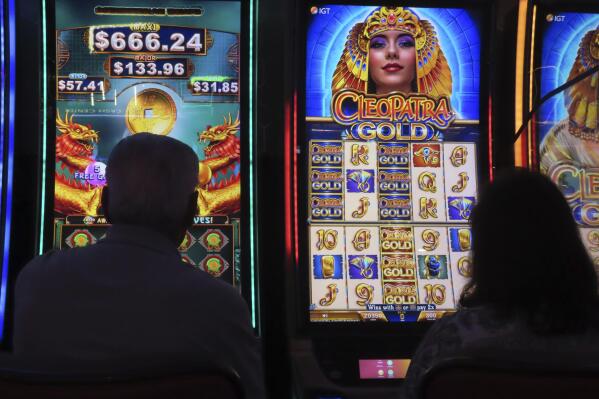
Modern casinos offer an array of gaming options, from traditional table games to state-of-the-art slot machines. The atmosphere of a casino has become as important as the games themselves, with designers focusing on creating immersive experiences that capture the imagination of patrons. Features such as luxurious interiors, themed décor, and the incorporation of technology enhance the overall ambiance, encouraging players to indulge in the thrill of chance while enjoying a lavish environment.
Moreover, the rise of online gambling in the 21st century has further altered the landscape. Virtual casinos allow players to experience gaming from the comfort of their homes while offering unprecedented access to a plethora of games. Innovations such as live dealer games aim to recreate the authentic casino experience online. The integration of mobile technology has made gambling more accessible, catering to a new generation of players who expect convenience alongside entertainment.
The Future of Gambling and Its Cultural Impact
As we look to the future, the gambling industry continues to evolve, influenced by advances in technology and shifting societal norms. The emergence of cryptocurrencies and blockchain technology is beginning to reshape online gambling, offering enhanced security and anonymity for players. This trend not only fosters trust but also attracts a tech-savvy demographic eager for innovative gaming experiences. The potential for virtual reality casinos represents another frontier, promising to immerse players in even more engaging environments.
In addition to technological advancements, the cultural implications of gambling are profound. From social acceptance to responsible gaming, the dialogue surrounding gambling continues to grow. Governments and organizations are increasingly focusing on promoting responsible gambling practices to mitigate potential risks associated with addiction and financial mismanagement. This shift signifies an understanding that while gambling can be a form of entertainment, it also carries significant responsibilities for both players and providers.
As gambling remains a staple of modern culture, it also inspires various forms of media, from movies to literature, reflecting society’s complex relationship with chance. This ongoing exploration of gambling through different lenses highlights its multifaceted nature, ensuring that it remains a relevant topic in both cultural and economic discussions. The future of gambling is poised to maintain a delicate balance between thrill, risk, and responsibility.
Exploring Modern Betting Platforms
One example of modern innovation in the gambling industry is Kwiff Casino, which combines traditional casino games with unique betting features. With a focus on enhancing player experience, Kwiff offers a user-friendly mobile application that caters to both casual players and serious gamblers. The innovative “supercharge” mechanism allows for spontaneous boosts on select bets, making for an exciting and dynamic betting environment that sets Kwiff apart from traditional casinos.
Kwiff Casino is licensed by the UK Gambling Commission, ensuring a safe and secure platform for players. This commitment to responsible gaming is paramount, as the casino not only provides thrilling gaming options but also emphasizes the importance of player protection. With competitive markets and attractive bonuses, Kwiff appeals to a wide audience, embodying the evolution of gambling into a realm that is accessible and engaging for everyone.
As online gambling continues to grow, platforms like Kwiff Casino exemplify the seamless integration of innovation and tradition. Players can enjoy the excitement of traditional games while also benefiting from the latest technological advancements, showcasing how the industry is adapting to meet the demands of modern audiences. This evolution is a testament to the dynamic nature of gambling, which continues to captivate and engage players worldwide.